
*Updated April 2026
Key takeaways about the signs and symptoms of oral cancer:
- Sores that don’t heal, rough patches, difficulty swallowing, or unexplained bleeding are all red flags. Don’t ignore them.
- Tobacco use, excessive alcohol, HPV infection, sun exposure, and poor oral hygiene are all major risk factors worth being mindful of.
- When caught early, oral cancer has a survival rate as high as 85 percent. Twice-yearly dental visits are one of your best defenses.
That small spot in your mouth or dry patch on your lips is usually harmless. But knowing when to get it checked could save your life.
The American Cancer Society estimates that 60,480 Americans will be diagnosed with oral cancer in 2026. While an oral cancer diagnosis can be devastating, early detection dramatically improves outcomes, with survival rates as high as 85 percent when caught early.
Understanding the warning signs, risk factors, and importance of early detection could make all the difference.
What is oral cancer?
Oral cancer is a broad term for cancer that can impact the inside of your mouth and throat. Oral cancer can develop on your lips, tongue, the lining of your cheeks, the roof and lower part of your mouth, and nearly all parts of your oral cavity.
According to the American Cancer Society, “Almost all of the cancers in the oral cavity and oropharynx are squamous cell carcinomas, also called squamous cell cancers. These cancers start in squamous cells, which are flat, thin cells that form the lining of the mouth and throat.”
Once these cells are compromised, the cancer cells multiply quickly and can spread to other areas in the body, making it more difficult to treat.
Signs of oral cancer
In its early stages, oral cancer typically doesn’t cause any pain or other symptoms.
However, if you notice any of the following changes in your mouth be sure to contact your dentist and physician for further evaluation:
- A sore on your lips or mouth that doesn’t go away within two weeks
- A chronic earache
- Crusty or rough spots on your lips, cheeks, or gums
- Difficulty chewing or swallowing
- Difficulty speaking or moving your jaw or tongue
- Areas of bleeding in your mouth with no obvious reason
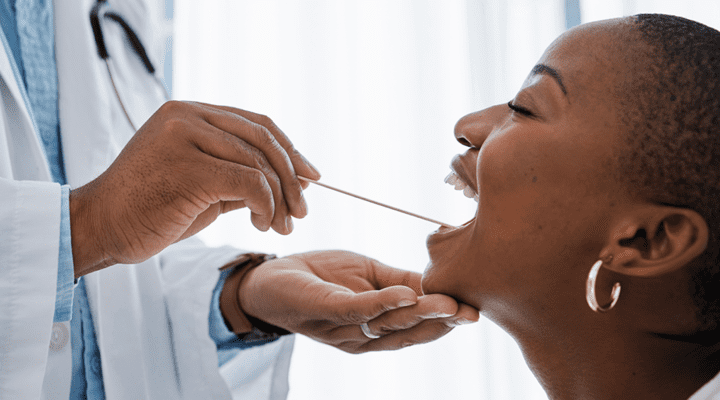
Regular dental visits are an opportunity for early detection of oral cancer, often before any symptoms appear. Make those twice-yearly check-ups a priority. Each one includes a potentially lifesaving oral cancer screening.
Click here to find an in-network dentist near you.
Causes of oral cancer
Oral cancer is caused by changes or mutations in the DNA of the cells that make up your oral cavity. These changes cause them to multiply uncontrollably and spread. Sometimes these changes occur for no reason. However, there are activities that may increase your risk of developing the disease.
Risk factors for developing oral cancer
Using tobacco products: Using tobacco products of any kind, whether chewed, inhaled, or held and spat, dramatically increases your risk of developing oral cancer. According to the American Cancer Society, “Tobacco use is one of the strongest risk factors for head and neck cancers, including oral cavity and oropharyngeal cancer.”
Exposure to ultraviolet light: According to the Cancer Treatment Centers of America, people who work outside, use tanning beds, and have prolonged exposure to the sun have a higher risk of developing lip cancers.
Excessive alcohol use: Moderate and excessive alcohol consumption is linked to an increased risk of oral cancer. Studies have suggested that moderate drinkers have nearly double the risk of developing oral cancer. Heavy drinkers are up to five times as likely to develop the disease compared to non-drinkers.
Human papillomaviruses (HPV) infection: HPV are a group of more than 100 related viruses. Some are linked to the development of cancer, like oral and oropharyngeal cancers. HPV is believed to cause 70 percent of oropharyngeal cancers in the U.S. These viruses are mostly spread through skin-to-skin contact and oral-genital contact.
For more information on HPV and oral health, click here.
Poor oral health: Research shows poor oral health increases your oral cancer risk by creating chronic inflammation that damages DNA over time. When you skip regular brushing, flossing, and dental visits, harmful bacteria flourish, which can lead to gum disease or periodontitis. This also creates an environment where cancer cells can develop more easily.
Early detection of oral cancer is key
Early diagnosis of oral cancer dramatically improves survival rates because treatment can begin before it spreads beyond the oral cavity. That’s why oral cancer screenings during your regular dental visits are so crucial. Your dentist performs a comprehensive exam of the entire mouth at each check-up, making twice-yearly appointments one of your best defenses against the disease.
Ready to learn more about oral cancer? Check out “Good Oral Hygiene Habits and Regular Dental Visits May Reduce Oral Cancer Risk”
